


eCommerce SEO: How to Get More Traffic, Rankings and Sales
A practical eCommerce SEO strategy can help your online store attract high-intent visitors, improve search visibility and turn organic traffic into customers.
Why eCommerce SEO Matters
eCommerce SEO is not simply about ranking product pages on Google. A successful strategy connects search demand, product discovery, website experience and conversion.
When your website is optimized correctly, customers can find your products when they are actively searching for them. This can create a consistent source of qualified organic traffic without depending entirely on paid advertising.
The goal is to create a search experience that helps customers discover, understand and purchase your products.
Target High-Intent Keywords That Can Drive Sales
Keyword research is one of the most important parts of an eCommerce SEO strategy. However, focusing only on keywords with high search volume may not produce the best results.
Your strategy should identify keywords that indicate a clear purchasing intent. These searches can include product names, product categories, comparisons, pricing-related searches and specific product requirements.
The best keyword is not always the keyword with the highest search volume. It is the keyword that matches what your potential customer actually wants to do.
- Identify commercial and transactional keywords.
- Map keywords to the correct product or category pages.
- Avoid targeting the same keyword across multiple pages.
- Build supporting content around important product categories.
Optimize Product Pages for Rankings and Conversions
Product pages are where search traffic can turn into revenue. A product page needs to satisfy both search engines and customers.
Your product titles, descriptions, headings, images and supporting information should clearly explain what the product is and why a customer should consider purchasing it.
- Create unique and descriptive product titles.
- Write useful product descriptions instead of copied manufacturer content.
- Optimize product images and image alt text.
- Include relevant specifications and product information.
- Make pricing, availability and purchase options easy to find.
- Use customer reviews to strengthen trust and relevance.
Improve Website Speed and Mobile Experience
A slow eCommerce website can negatively affect both user experience and organic performance. Customers expect pages to load quickly, especially when browsing from mobile devices.
Improving technical performance should therefore be part of your overall SEO strategy.
- Optimize large product and banner images.
- Reduce unnecessary scripts and plugins.
- Improve mobile page performance.
- Review Core Web Vitals.
- Improve navigation and page usability.
- Make the checkout experience simple and efficient.
Use Local SEO When Your eCommerce Business Targets Mumbai
If your eCommerce business serves customers in Mumbai, local search optimization can help you connect with users searching for relevant products and services in the region.
Local SEO can be especially useful when your business has a physical presence, local delivery services or a strong geographic customer base.
- Optimize location-specific pages where relevant.
- Maintain accurate business information.
- Build local relevance through useful content.
- Optimize your Google Business Profile when applicable.
- Use Mumbai-related search intent naturally where it makes sense.

Use Reviews and Social Proof to Build Trust
Customers want confidence before purchasing from an online store. Reviews, ratings and customer-generated content can provide additional trust signals.
Reviews can also make product pages more useful because they often contain natural language that reflects how real customers describe and use a product.
A well-optimized product page should not only explain the product. It should also give customers enough confidence to make a purchasing decision.
- Encourage genuine customer reviews.
- Display ratings clearly.
- Respond to customer feedback where appropriate.
- Use customer experiences to improve product content.
Optimize Category Pages for Broader Search Queries
Category pages are often overlooked in eCommerce SEO. While individual product pages target specific products, category pages can target broader searches from customers who are still comparing their options.
A well-optimized category page can become an important organic landing page for your website.
- Use clear category titles and headings.
- Add useful introductory category content.
- Optimize category page metadata.
- Use relevant internal links.
- Avoid creating multiple pages targeting the same search intent.
- Keep category navigation simple for users.
Build a Strong Internal Linking Structure
Internal links help search engines understand the relationship between different pages on your website. They also help users move from informational content to relevant product and category pages.
A strong internal linking strategy should be planned rather than added randomly.
- Link relevant blog posts to category pages.
- Link category pages to important products.
- Connect related products where appropriate.
- Use descriptive and natural anchor text.
- Identify important pages that need stronger internal links.
Combine SEO Traffic With Retargeting
Not every visitor who discovers your website through Google will purchase during the first visit. Some users may compare products, check prices or leave the website before making a decision.
Retargeting can help businesses reconnect with visitors who previously interacted with the website.
Organic search can bring customers to your website while retargeting campaigns can help bring interested visitors back when they are ready to continue their decision.
Prepare Your eCommerce Website for Changing Search Behaviour
Search behaviour continues to evolve. Customers increasingly use different ways to discover products, including conversational searches, visual discovery and more specific natural-language queries.
Your content should therefore be written for people rather than simply created around repeated keywords.
- Answer common customer questions.
- Use natural and conversational language.
- Provide detailed product information.
- Optimize product images properly.
- Create useful supporting content around customer needs.
Use Data to Continuously Improve Your eCommerce SEO Strategy
SEO should not be treated as a one-time activity. Search performance changes over time, competitors publish new content and customer behaviour continues to evolve.
Regular analysis helps identify which pages are performing, which keywords are improving and where additional optimization is required.
- Monitor Google Search Console performance.
- Track organic traffic through analytics.
- Monitor keyword rankings.
- Identify pages with declining traffic.
- Improve pages based on search performance.
- Continue building useful and relevant content.
Build a Complete eCommerce SEO Strategy
Effective eCommerce SEO requires multiple elements working together instead of focusing on a single ranking factor.
Keyword Strategy
Identify search terms based on product, category and customer intent.
Product Optimization
Improve product titles, descriptions, images and supporting information.
Category Optimization
Build strong category pages that target broader commercial searches.
Technical SEO
Keep the website crawlable, fast, mobile-friendly and technically accessible.
Internal Linking
Create clear connections between blogs, categories and products.
Continuous Optimization
Use performance data to identify opportunities and improve important pages over time.
Why SEO for eCommerce Websites Is About More Than Rankings
Ranking on Google is only one part of the objective. The bigger goal is to create an eCommerce website that attracts the right audience, provides useful information and makes purchasing easier.
Better Visibility
Help customers discover your products through relevant organic searches.
Better User Experience
Make product discovery, navigation and purchasing easier.
Long-Term Traffic
Build organic visibility that can continue generating traffic over time.
Stronger Trust
Reviews, useful content and clear product information help customers make decisions.
More Opportunities
Target different stages of the customer journey with products, categories and informational content.
Better Data
SEO performance data provides insights into what customers are searching for and engaging with.
Common eCommerce SEO Mistakes to Avoid
Many online stores struggle with organic growth because their SEO strategy creates unnecessary competition between pages or focuses too heavily on rankings instead of customers.
Duplicate Product Content
Using identical manufacturer descriptions across multiple websites or products can make it difficult to create unique search value.
Keyword Cannibalization
Multiple pages targeting the same search intent can create unnecessary competition within your own website.
Ignoring Category Pages
Category pages can target valuable broader searches but are often left with very little useful content.
Poor Mobile Experience
A website that is difficult to browse on mobile can lose potential customers before they reach the checkout.
Weak Internal Linking
Important products and categories may remain difficult for both users and search engines to discover.
Focusing Only on Rankings
High rankings are useful, but traffic must ultimately contribute to meaningful business results.
Build an eCommerce SEO Strategy That Supports Business Growth
eCommerce SEO is a long-term process that combines keyword research, product optimization, category page optimization, technical improvements, internal linking, useful content and continuous performance analysis.
The objective should not simply be to get more visitors. Your SEO strategy should attract the right visitors and make it easier for them to discover products, understand their options and complete their purchase.
When SEO is approached as part of the complete customer journey, an eCommerce website can build stronger organic visibility while creating a better experience for potential customers.
FAQs About eCommerce SEO
Common questions businesses ask when developing an SEO strategy for an eCommerce website.
What is eCommerce SEO?
eCommerce SEO is the process of optimizing an online store so that its product pages, category pages and supporting content can appear for relevant searches and attract potential customers through organic search.
Why is SEO important for an eCommerce website?
SEO can help an eCommerce website improve organic visibility, attract relevant search traffic and create more opportunities for customers to discover products without relying entirely on paid advertising.
Should I optimize product pages or category pages first?
Both are important. Product pages can target specific product searches while category pages can target broader commercial searches. The priority should depend on your website structure, products and search demand.
How long does eCommerce SEO take to show results?
SEO results vary depending on competition, website authority, technical condition, content quality and the overall strategy. SEO should generally be treated as a long-term growth channel rather than a short-term campaign.
Is internal linking important for eCommerce SEO?
Yes. Internal linking can help users discover relevant pages and help search engines understand the relationship and importance of pages across an eCommerce website.
Can SEO help increase eCommerce sales?
SEO can contribute to sales by attracting relevant users to optimized product and category pages. However, conversions also depend on pricing, product quality, trust, website experience and the overall purchasing process.
Want to Improve Your eCommerce Website's Organic Visibility?
A structured eCommerce SEO strategy can help your website attract more relevant searches, improve product visibility and build a stronger organic growth channel.
Get Started With SEOE-commerce businesses today face intense competition, especially in a dynamic market like Mumbai. Ranking on search engines is no longer enough—you need strategies that convert visitors into paying customers. This is where effective E-commerce SEO Services in Mumbai play a crucial role.
By combining SEO with conversion-focused tactics, you can not only increase traffic but also maximize revenue. Let’s explore the most powerful tips and strategies to boost conversions through e-commerce SEO.
1. Focus on High-Intent Keywords
Driving traffic that doesn’t convert is a waste of resources. The key is targeting keywords with buying intent.
Examples of high-converting keywords:
- “Buy shoes online in Mumbai”
- “Best price for smartphones”
- “Discount furniture online”
Using tools and insights from Google Search Console and Google Analytics, you can identify which keywords bring users ready to purchase.
Conversion Tip:
Prioritize transactional keywords over informational ones for product pages.
2. Optimize Product Pages for Conversions
Your product page is where decisions happen. Even if you rank well, a poorly optimized page will lose sales.
Key elements to optimize:
- Clear product titles with keywords
- High-quality images
- Detailed descriptions with benefits
- Pricing and offers clearly visible
- Strong CTA (Buy Now, Add to Cart)
Conversion Tip:
Use urgency triggers like “Limited Stock” or “Offer Ends Soon” to boost conversions.
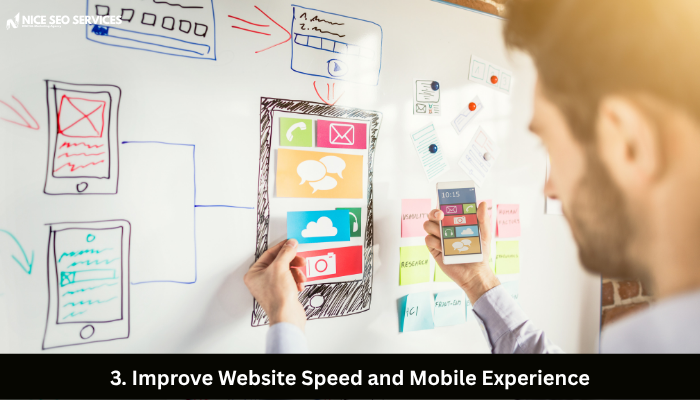
3. Improve Website Speed and Mobile Experience
In e-commerce, speed directly impacts revenue. A slow website leads to higher bounce rates and lost sales.
Best practices:
- Optimize images
- Use fast hosting
- Enable caching
- Ensure mobile responsiveness
With most users shopping via mobile, your site must deliver a seamless experience across devices.
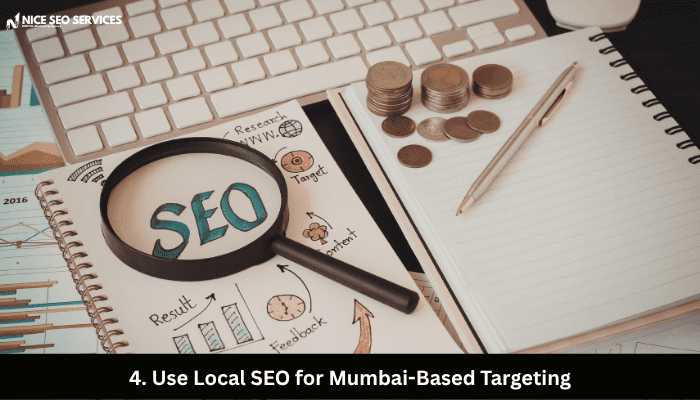
4. Use Local SEO for Mumbai-Based Targeting
If your e-commerce business caters to a specific region, local SEO is essential.
Strategies include:
- Adding location-based keywords
- Creating Google Business Profile
- Optimizing for “near me” searches
This helps attract local buyers who are more likely to convert quickly.
5. Leverage User Reviews and Social Proof
Trust is a major factor in online shopping. Customers rely heavily on reviews before making a purchase.
Ways to build trust:
- Display customer reviews and ratings
- Add testimonials
- Show real product usage images
Conversion Tip:
Products with reviews tend to convert significantly better than those without.
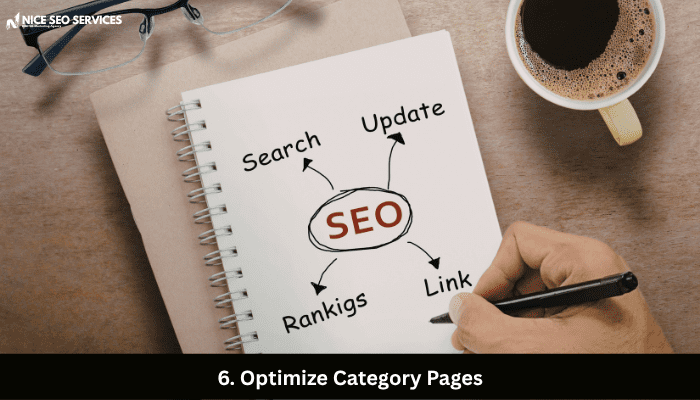
6. Optimize Category Pages
Category pages often drive a large portion of traffic but are frequently overlooked.
Optimization strategies:
- Use keyword-rich headings
- Add short descriptions
- Include internal links to products
Conversion Tip:
Make navigation simple so users can find products quickly.
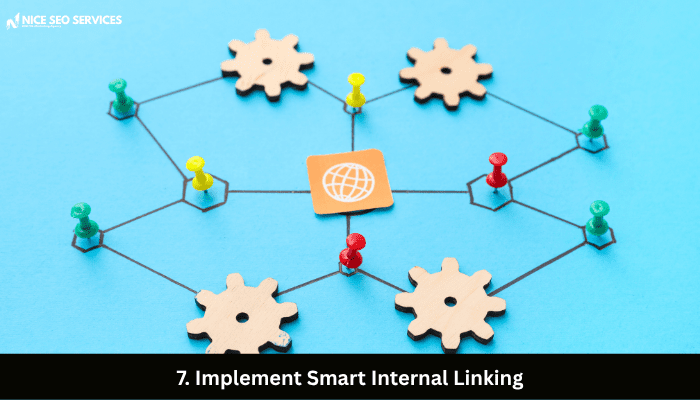
7. Implement Smart Internal Linking
Internal linking improves both SEO and user experience.
Benefits:
- Helps search engines crawl your site
- Keeps users engaged longer
- Guides visitors toward purchase
Example:
Link related products (“Customers also bought”) to increase cart value.
8. Use Retargeting with SEO Traffic
Not every visitor converts on the first visit. Retargeting helps bring them back.
Platforms like Google Ads allow you to:
- Show ads to past visitors
- Promote abandoned cart products
- Offer discounts to returning users
Conversion Tip:
Combine SEO traffic with retargeting ads for maximum impact.
9. Optimize for Voice and Visual Search
Search behavior is evolving. Many users now search using voice or images.
How to adapt:
- Use conversational keywords
- Optimize images with alt text
- Focus on long-tail queries
This gives you an edge over competitors still relying on traditional SEO.
10. Continuous Data Analysis and Optimization
SEO is not a one-time task. Regular analysis is essential for growth.
Track metrics like:
- Conversion rate
- Bounce rate
- Average order value
- Top-performing pages
Using tools like Google Analytics, you can refine strategies and improve performance over time.
Conclusion
E-commerce success is not just about ranking higher—it’s about converting visitors into customers. With the right E-commerce SEO Services in Mumbai, businesses can combine visibility with performance-driven strategies to achieve real growth.
By focusing on high-intent keywords, optimizing product pages, improving user experience, and leveraging data, you can turn your website into a powerful sales engine.
 SEO Company in India
 Social Media Marketing
 Pay Per Click Management
 Content Marketing
 Local SEO Services
 WordPress Services
 eCommerce SEO
 International SEO