


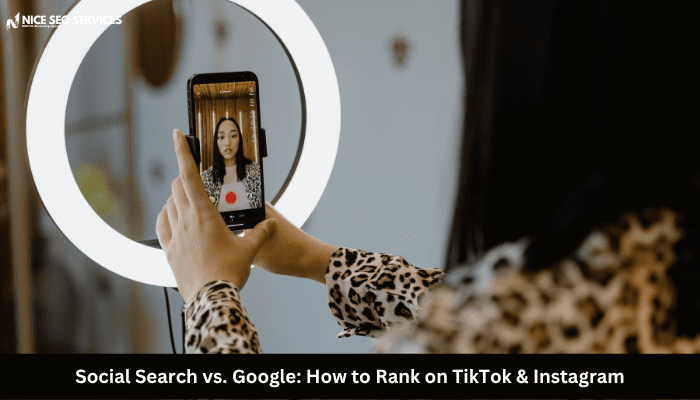
Search behavior is changing fast. While Google Search still dominates traditional search, younger audiences are increasingly turning to social platforms like TikTok and Instagram to discover products, services, and trends.
This shift has created a new opportunity: Social Search Optimization. If your brand wants visibility in 2026 and beyond, you need to understand how ranking works on both Google and social platforms.
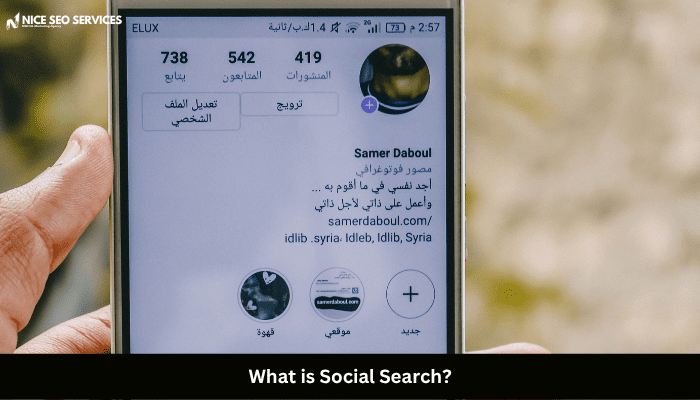
What is Social Search?
Social search refers to users searching directly within platforms like TikTok and Instagram instead of using Google.
Examples:
- “Best cafes in Mumbai” on Instagram
- “Digital marketing tips” on TikTok
- “Skincare routine” in reels search
These platforms now function as search engines, especially for Gen Z and younger millennials.
Google Search vs Social Search: Key Differences
1. Search Intent
Google Search:
- Focused on information and solutions
- Users look for websites, blogs, services
Social Search:
- Focused on discovery and inspiration
- Users prefer short videos, reels, and visual content
2. Content Format
Google:
- Blogs
- Landing pages
- Websites
TikTok & Instagram:
- Short-form videos
- Reels
- Carousels
Content format plays a huge role in ranking on social platforms.
3. Ranking Factors
Google Ranking Factors:
- Keywords
- Backlinks
- Website authority
- Technical SEO
Social Media Ranking Factors:
- Engagement (likes, shares, comments)
- Watch time
- Saves and shares
- Relevance of captions and hashtags
Why Social Search is Growing
Platforms like TikTok and Instagram are growing as search engines because:
- Video content is easier to consume
- Results feel more authentic
- Users trust creators more than brands
- Faster answers compared to blogs
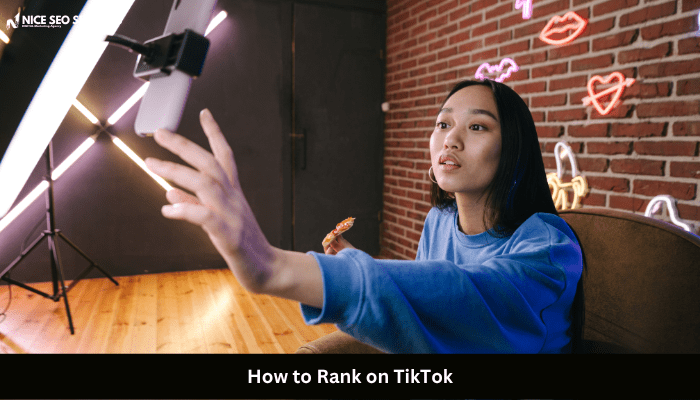
How to Rank on TikTok
1. Use Keywords in Captions
TikTok now reads text, captions, and even spoken words.
Tip:
Include keywords like:
- “Best digital marketing tips”
- “How to run Facebook ads”
2. Optimize Video Content
- Hook viewers in the first 3 seconds
- Keep videos engaging
- Use clear messaging
Watch time is one of the most important ranking factors.
3. Add Relevant Hashtags
Use a mix of:
- Niche hashtags (#digitalmarketingtips)
- Broad hashtags (#marketing)
Avoid irrelevant trending hashtags.
4. Focus on Engagement
Encourage users to:
- Comment
- Share
- Save
More engagement = higher ranking.
How to Rank on Instagram
1. Optimize Your Bio
Your Instagram bio should include:
- Keywords
- Services
- Location
This helps your profile appear in search results.
2. Use SEO-Friendly Captions
Instagram now indexes captions, so include:
- Relevant keywords
- Natural language
3. Leverage Reels
Reels are the most powerful tool for reach.
Best practices:
- Use trending audio
- Keep videos short and engaging
- Add on-screen text with keywords
4. Use Alt Text & Hashtags
- Add keywords in alt text
- Use targeted hashtags
This improves discoverability.
Combining Google SEO + Social Search
The smartest strategy is not choosing one—but using both.
Google helps you:
- Capture high-intent traffic
- Generate long-term leads
Social platforms help you:
- Build brand awareness
- Reach new audiences
- Go viral faster
Together, they create a powerful marketing ecosystem.
Future of Search
Search is no longer limited to Google. Platforms like TikTok and Instagram are redefining how users discover information.
Brands that adapt early will:
- Gain more visibility
- Build stronger connections
- Stay ahead of competitors

Conclusion
The battle of Social Search vs Google is not about replacement—it’s about evolution. While Google Search remains essential for high-intent queries, TikTok and Instagram dominate discovery and engagement.
To succeed in 2026, your strategy must include both:
- SEO for search engines
- Content optimization for social platforms
This dual approach ensures maximum reach, visibility, and growth.



 SEO Company in India
 Social Media Marketing
 Pay Per Click Management
 Content Marketing
 Local SEO Services
 WordPress Services
 eCommerce SEO
 International SEO